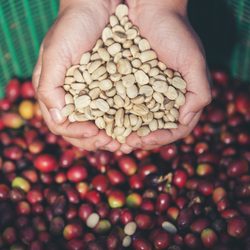
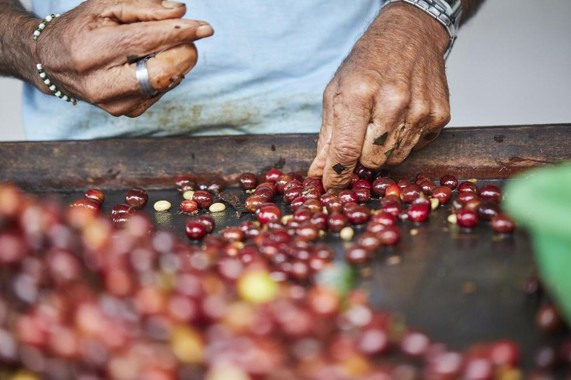
Some day, while drenching your soul in every divine sip of your coffee, you must have wondered about the journey of a coffee bean and how it turns into this elixir that you can’t do without. Every step of this journey is magical, and one such step is coffee processing.
Coffee processing is a post-harvesting method in which the outer fruit layer is removed from handpicked coffee cherries to reveal the inner seed (i.e., the green coffee bean), then dried to a stable moisture level of about 11% to 12%. The three primary coffee processing methods are natural process, washed process and honey process. Each process lends an elusive taste to your coffee as how the fruit and mucilage are removed affects the sugar absorption, fermentation level, acidity and body of your coffee. Let’s explore all the processes and understand how the coffee tasting notes explained are delectably exclusive when it comes to each of these processes.
Washed Coffee: What Makes the Cup So Clean and Bright?
This method includes removing the outer skin, pulp and sticky mucilage from the handpicked harvested coffee cherries, before drying the inner seed. Let’s understand the steps involved:
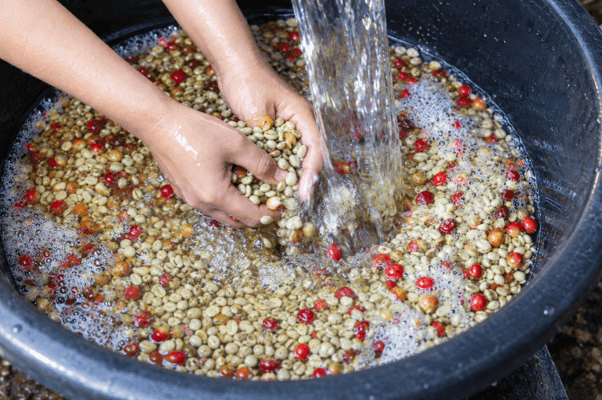
- The coffee cherries are placed in water tanks to separate the ripe cherries from unripe and defected cherries.
- Once sorted, the cherries are depulped by passing through a mechanical pulper, which removes the outer skin and fleshy pulp surrounding the beans.
- The beans still coated with sticky mucilage are then transferred to fermentation tanks wherein naturally occurring enzymes break down the mucilage over 12-72 hours.
- The fermented beans are then cleaned and dried until their internal moisture drops to about 10-12%.
- Once dried the parchment layer is mechanically hulled to reveal the raw green coffee bean.
Key sensory characteristics of washed coffee
- Acidity: Washed coffee gives you a clean and bright cup often with hints of citrus coffee, floral coffee, malic and tart fruit notes. The natural acids of the bean take centre stage as the pulp and mucilage are initially removed.
- Body: The minimal residual fruit sugar results in a light and crisp cup with a tea-like body that simply tantalises your taste buds. When it comes to washed vs natural coffee, natural coffee has a fuller and heavier mouthfeel.
- Clarity of flavour: Washed coffee offers a striking clarity of flavour. Removing the skin, plum and mucilage before drying lets the pure exclusive flavours of the bean and its terroir characteristics shine through without interference from fermenting fruit sugars.
- Aftertaste: Each sip leaves a refreshing aftertaste on your palate which often takes a clean exit as the flavours cut off effortlessly rather than lingering on a heavy note.
Natural Coffee: Why Does It Taste More Fruity and Sweet?
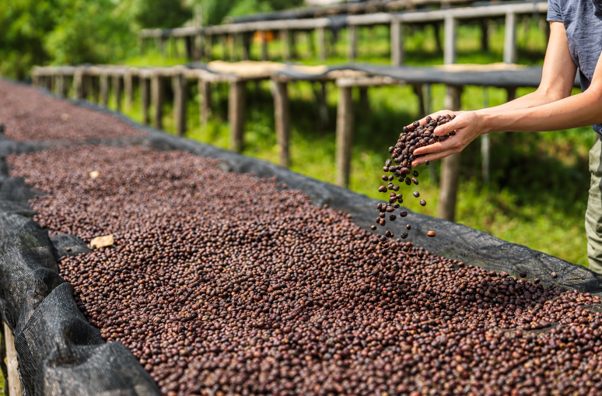
This is also called the dry process wherein the entire coffee cherry is sun-dried before separating the seed inside.
- The hand-picked ripe cherries are first sorted to remove the unripe, overripe and damaged fruits.
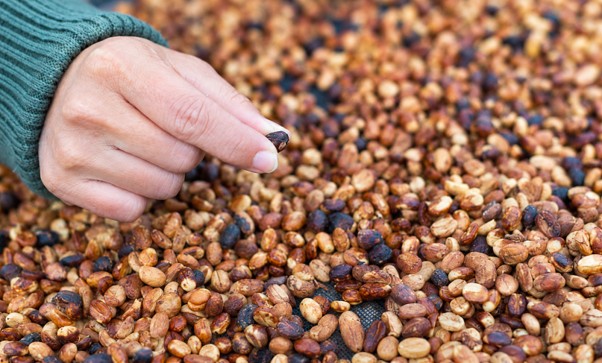
- Then the cherries are set for sun-drying by spreading them out in thin layers on raised drying beds, patios or tarps.
- Once the drying period of 2-4 weeks is over, the cherries are cracked open with a hulling machine in a dry mill revealing the green coffee beans inside.
Key sensory characteristics of natural coffee
- Acidity: Natural coffee lends your cup lower, smoother and more balanced acidity. As the whole cherry goes through the sun-drying process, the seed absorbs the natural sugars and fruit compounds from the mucilage. This gives you a sweet coffee as the high sugar content softens and lowers the intensity of sharper acids.
- Body: This process bestows your coffee with a heavier, fuller and rounder body. The sugar and oil absorption during sun-drying increases the viscosity of the coffee giving it a richer and slurpy mouthfeel.
- Clarity of flavour: Natural coffee tends to have a reduced clarity of flavour as it contains suspended solids, natural oils and fine particles from the coffee cherry which often override the true intrinsic notes of the beans and terroir characteristics.
- Aftertaste: High levels of natural fructose and simple sugars in natural coffee lend it a fruity coffee aftertaste that lingers on in your senses for quite some time.
Honey Process: The Middle Ground Between Washed and Natural
In honey processed coffee, the sticky and sugary fruit layer called mucilage does its magic on the coffee beans. While the fruit peel and pulp are removed, the coffee beans are dried along with the mucilage stuck to the beans.
Key sensory characteristics of honey processed coffee
- Acidity: The acidity of honey processed coffee sits exactly between bright washed coffee and soft, low acidity natural coffee. The acidity also depends on how much mucilage is left on a bean and for how long it’s fermented.
- Body: The retained mucilage adds to the viscosity of coffee so it has a medium to full body with a creamy and syrupy mouthfeel.
- Clarity of flavour: It is a smooth coffee that infuses your cup with a delectable balance of sweetness due to mucilage and the distinct terroir characteristic of the coffee bean.
- Aftertaste: It leaves a mildly sweet lingering aftertaste with notes of brown sugar, molasses, caramel and spun sugar.
Washed vs Natural vs Honey: Which Coffee Processing Method Creates the Flavour You Prefer?
Now that you have all the coffee tasting notes explained, you can explore the kind of coffee that appeals to your palate and gives you that much-needed coffee rush. If you are a fruity coffee fan, natural processed low-acidity coffee is your calling as it has an inherent fruity essence due to all the fruit pulp that stays with the coffee bean during processing. If a classic smooth coffee makes your day, then honey processed coffee is your destination. It offers a beautiful balance of body, aftertaste, acidity and flavours. If you want your coffee to mean business, washed coffee is the answer as it has clarity of flavour and no complementary sweetness due to the fruit pulp.
How Coffee Processing Influences Your Brewing Experience
Coffee processing methods significantly impact the brewing experience as each type of processing results in coffee beans with distinct physical structure, body, acidity and flavour.
- Washed coffee beans are typically dense and hard, requiring finer grinds and higher water temperature for optimal extraction. Washed premium specialty coffee blends are ideal for pour-overs.
- Natural coffee beans are less dense in structure and more porous; hence they extract faster and can easily over-extract, leading to unsavoury bitterness. Natural fresh roasted coffee blend beans excel in espresso.
- Honey processing lends the fresh roasted coffee beans stability of structure; hence these are most versatile when it comes to compatibility with brewing methods. You can get a savoury, balanced cup with pour-over, French press, Aeropress and espresso.
Well, this nuanced knowledge about the processing of coffee beans will surely make your daily rendezvous with your coffee cup even more interesting. We at Pause & Pour offer some of the most artistically curated, myriad variety of Specialty coffee blends like smoky sips and Wine o’ clock and many more. Each sip promises to take you to the journey of a coffee bean.
FAQ’s
1. What are the three main coffee processing methods?
The three main coffee processing methods are washed, natural, and honey. The washed process removes the fruit pulp and mucilage before drying, the natural process dries the whole coffee cherry, and the honey process removes the skin and pulp while leaving some mucilage on the beans. At Pause & Pour, understanding these methods can help you explore coffee flavours that match your preferences.
2. Which coffee processing method produces the fruitiest flavour?
The natural processing method is often associated with fruity, sweet flavours and a fuller body. Since the coffee beans dry inside the whole cherry, they are exposed to fruit-derived compounds during drying. Depending on the coffee’s origin and variety, you may notice notes of berries, stone fruits, or tropical fruits.
3. Is honey-processed coffee better than washed or natural coffee?
No single processing method is universally better. Honey-processed coffee often offers a balance of sweetness, acidity, and body. Washed coffee is generally known for its clarity and brighter acidity, while natural coffee often delivers fruitier flavours and a fuller mouthfeel. Pause & Pour encourages coffee lovers to explore all three methods to discover their personal favourites.
4. What is the difference between washed and natural coffee?
The main difference is when the coffee fruit is removed. In washed processing, the skin, pulp, and mucilage are removed before the beans are dried. In natural processing, the whole coffee cherry is dried before the outer fruit layers are removed. These methods can produce different flavour profiles, with washed coffee often tasting cleaner and brighter and natural coffee often tasting sweeter and fruitier.
5. Does coffee processing affect the roasting process?
Yes. Processing can influence bean moisture, density, and physical characteristics, which roasters consider when developing a roast profile. Washed, natural, and honey-processed coffees may therefore require different roasting approaches to bring out their best flavours. At Pause & Pour, the relationship between processing and roasting helps explain why coffees made from different beans can taste so distinctive.