Why Brew Coffee at Home?
Brewing coffee at home is a soul-surrendering process. You are not just making a beverage; you are carefully crafting a routine that can enliven all your senses. You are gaining complete control of the beverage that defines you.
So, where do you get started? The first step is to choose the right coffee for home brewing. Specialty coffee is a whole universe in itself, and this is where you get to be the captain of your coffee universe.
How to Choose the Right Coffee for Home Brewing?
Pick your roast level
Specialty coffee beans have different roast levels and each type has its own unique flavour profile:
- Light roast: Light roast coffee beans usually lend intoxicating fruity, bright and floral notes to your coffee.
- Medium roast: Medium roast beans offer a balanced and smooth flavour that tilts towards the sweet side.
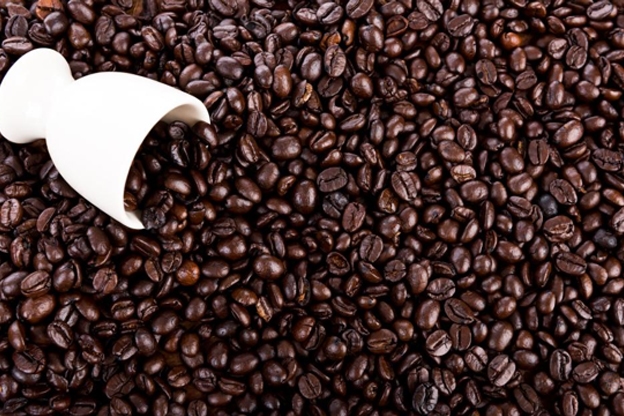
- Dark roast: Dark roast beans are best for the coffee pros who like their cup strong, smoky, bold and bitter.
Pick bean types and freshness
- Arabica vs. Robusta: Arabica beans have comparatively lower percentage of caffeine and offer a smooth taste with sweet floral, chocolate and fruity notes. Robusta beans have comparatively higher percentage of caffeine and offer a harsh and bitter taste enhanced by earthy and woody notes.
- Single origin vs. blend: Single origin Specialty coffee beans offer a unique taste reflecting the characteristics of the region where the coffee is grown. Each batch of single origin Specialty coffee has a distinct quality that can’t be matched. Premium Specialty coffee blends offer a more balanced, consistent and versatile taste that is best of every day coffee brewing.
- Check for freshness: Coffee tastes best when consumed within 4 to 6 weeks of roasting depending on the roast level. So go for fresh roasted coffee blend beans. It is ideal to buy whole beans and grind them right before use to lock in maximum flavour and aroma.
Match coffee to your brewing method: Best Coffee Brewing Methods for Beginners
Roast level affects the solubility, acidity, body and extraction control of the coffee thus the brewing method chosen must be compatible with the roast type so as to help you achieve that perfect cup of coffee. For absolute beginners who want to start this journey with no or minimal investment, following brewing methods will work.
- Channi: You will be amazed how the humble mesh strainer ( channi) that is found in every Indian kitchen can be the star of your coffee brewing process. For steeping, you can add hot water directly on channi ground coffee in your cup and let it brew for sometime. Give a few stirs and pour the liquid gently through your kitchen channi into another cup. Add milk or water as preferred and your perfect cup of coffee is ready.
- French press: It’s a manual coffeemaker wherein a simple mesh plunger is used to separate coffee grounds from hot water. The full immersion brewing style efficiently extracts rich oils and bold notes.
- Moka pot: Moka pot is the easiest way to make an espresso without an espresso machine. It is a classic pot for stovetop brewing wherein steam pressure forces hot water up to pass through the coffee grounds and release a rich, strong brew. For a sweeter, chocolatey cup with balanced notes, pick the best artisanal coffee blends to brew on the moka.
Once you get the hang of coffee brewing and get ready to invest in some simple equipment that can bring cafe like coffee experience you your home, you can start with an Aeropress:
- Aeropress: An aeropress machine combines the concept of total immersion, microfiltration and gentle air pressure to extract complex fruit notes and vibrant acidity from light to medium roast beans.
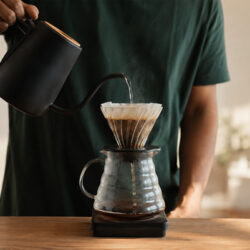
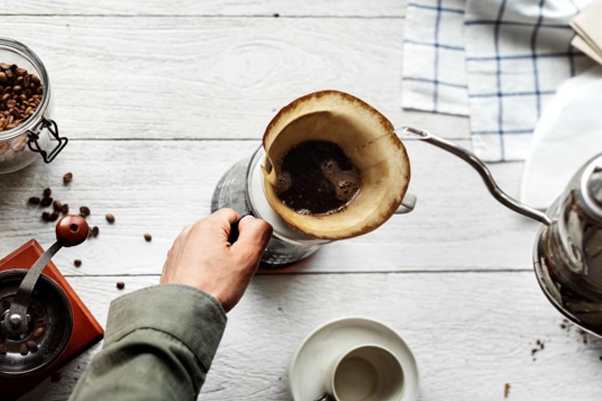
- Pour over: It’s a manual brewing method in which hot water is slowly and evenly made to pass through a V60 dripper containing the ground coffee.
- Drip coffee machine: It automates the brewing process as hot water is slowly dripped over ground coffee beans in a filter.
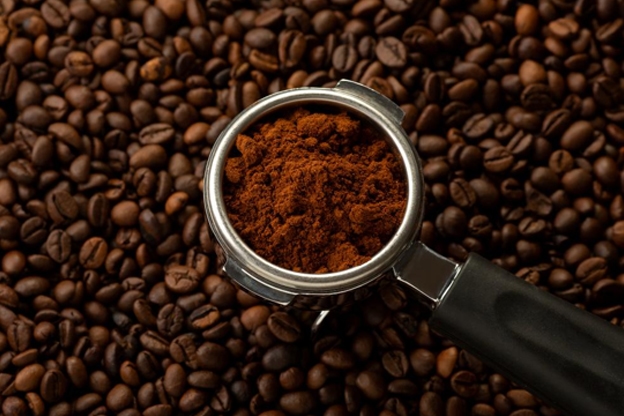
- Espresso: An espresso machine forces intensely hot water through a tightly set bed of finely ground coffee under high pressure.
- Cold brew: Cold brew coffee is made by steeping coarse coffee grounds in cool or room-temperature water for 12-24 hours. A simple glass jar or a French press can be used for brewing. Medium and dark roasts are the best cold brew coffee beans that produce the perfect low acidity chocolatey or caramel cup.
Common Coffee Brewing Mistakes to Avoid
Now that you have got the hang of how to brew coffee at home, try not to let these common mistakes hold you back.
- Pouring boiling water onto your grounds. It can burn the coffee and hamper its notes. Ideally, 90-93 degrees Celsius water should be used.
- Using a mismatched grind size for your brewer. Each brewing method works with a particular grind size, and anything too fine can make the coffee bitter or muddy, and anything too coarse can make the coffee sour.
- Leaving the coffee-to-water ratio to your approximation abilities. Use a digital kitchen scale instead. Estimation leads to inconsistent flavours.
- Using stale or pre-ground beans. Exposure to air can strip off the bean’s natural oils and aroma. It’s best practice to buy whole beans and grind them right before brewing.
- Not cleaning the brewing equipment properly. Residual coffee oils or mineral buildup on the filter or grinder can hamper the taste of freshly brewed coffee.
All set? Now wishing someone told you about where to get the best artisanal coffee blends? Pause & Pour offers the most carefully selected and nurtured small batches of exclusive coffee beans secured from the choicest of coffee estates, each reflecting unique characteristics of land and climate.
Frequently Asked Questions
- How do I make good coffee at home?
Start with fresh coffee beans, use the right grind size for your brewing method, and maintain the correct water temperature and coffee-to-water ratio. - Which coffee brewing method is easiest for beginners?
A French press or channi is simple to start with and does not require expensive equipment. - Why does my homemade coffee taste bitter?
Coffee can taste bitter if you use boiling water, over-extract the coffee, or use a grind size that does not suit your brewing method. - Should I use whole coffee beans or pre-ground coffee?
Whole beans are generally better for freshness. Grinding them just before brewing helps preserve their aroma and flavour. - How do I choose the right coffee beans for my taste?
Choose the roast based on your preference: light roast for fruity and bright flavours, medium roast for a balanced cup, and dark roast for bold and smoky flavours.