If your love for Specialty coffee is just beginning to blossom, it’s time to get to know your coffee better. All the beautiful transitions and stages that bring Indian speciality coffee to your cup, will not only enamour you but will also deepen the bond between you and your chosen specialty coffee beans India. So, where does Indian coffee come from? The southern stretch of the Western Ghats across Karnataka, Kerala, Tamil Nadu, and Andhra Pradesh offers some of the finest speciality and Indian Arabica coffee. Karnataka alone accounts for most of India’s specialty coffee production, with Chikmagalur coffee among the finest Indian Arabica. Coorg is also one of India’s famous coffee-producing regions which brings to your cup speciality Arabica and Robusta, rich-profile Coorg coffee.
From Coffee Cherry to Bean: How Processing Affects Flavour
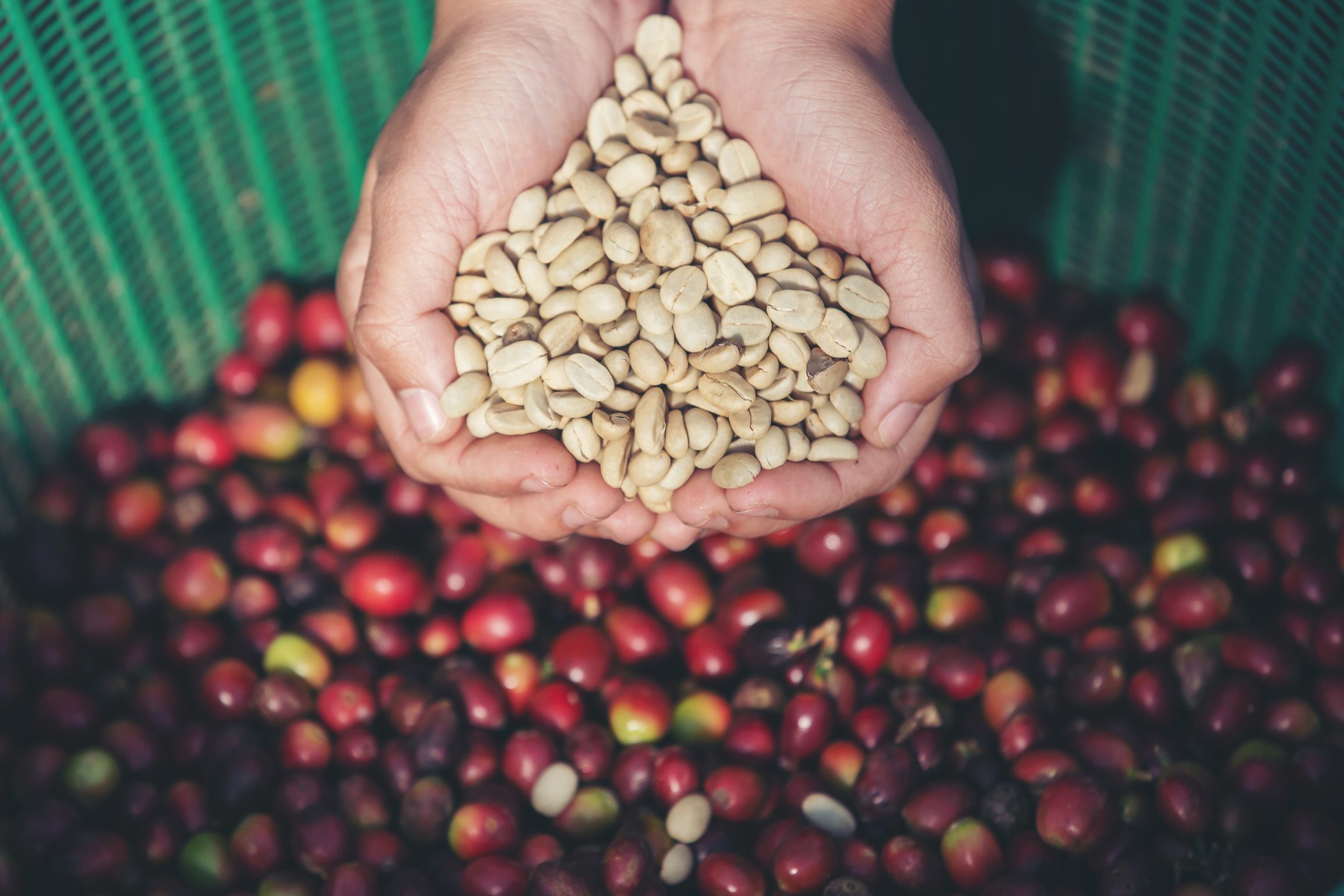
Coffee processing refers to exposing and drying the green seed inside the harvested coffee cherries. There are various methods for doing the same and it is remarkable how each processing method significantly impacts the sweetness, body and acidity of your coffee cup. Let’s learn about the coffee processing methods in detail:
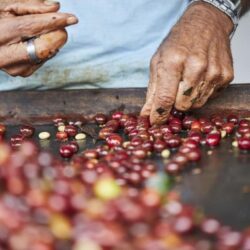
- Natural process: This is one of the oldest and a classic way of preparing harvested coffee cherries. This is also called the dry process. The hand-picked ripe cherries are first sorted to remove the unripe, overripe and damaged fruits. Then the cherries are set for sun-drying by spreading them out in thin layers on raised drying beds, patios or tarps. The cherries are often shuffled during the entire drying duration of 2-4 weeks, so they dry uniformly and do not mould, rot or ferment. Once the drying period is over, the cherries are cracked open with a hulling machine in a dry mill revealing the green coffee beans inside. This process reveals a heavy-bodied, syrupy and intensely fruity cup. There is an inherent sweetness and fruitiness that reflects in this coffee as the natural sugars and fruit compounds of the cherry migrate directly from the pulp to the seed during the drying process. This coffee generally offers lower and softer acidity and lets the fruit flavours stand out.
- Washed process: This process involves removing the outer skin, pulp and sticky mucilage of the coffee cherry before drying the coffee beans. First, the harvested cherries are placed in water tanks wherein the ripe and dense cherries sink to the bottom while the unripe and damaged ones float on the top and are removed from the process. Then the cherries go through depulping via machines. This process reveals the inner green bean still wrapped in the sticky and sugary mucilage of the cherries. This mixture then goes into fermentation tanks for about 12- 72 hours wherein natural enzymes and microorganisms break down and dissolve the sticky residue. After proper washing and rinsing the clean berries are then dried on raised beds, patios or mechanical dryers until the internal moisture of the berries drops to 10-12%. When it comes to washed vs natural coffee, this process reveals a clean, crisp and bright taste profile with higher acidity and lighter body. The pure, distinct regional characteristics of the coffee bean dominate the flavour.
- Honey process: In this process, the sticky and sugary fruit layer called mucilage does its magic on the coffee beans. While the fruit peel and pulp are removed, the coffee beans are dried along with the mucilage stuck to the beans. Honey processed coffee offers the crispness and clarity of washed coffee while reflecting the heavy body and inherent sweetness of natural coffee.
Roasting Specialty Coffee: How Roast Levels Influence Flavour
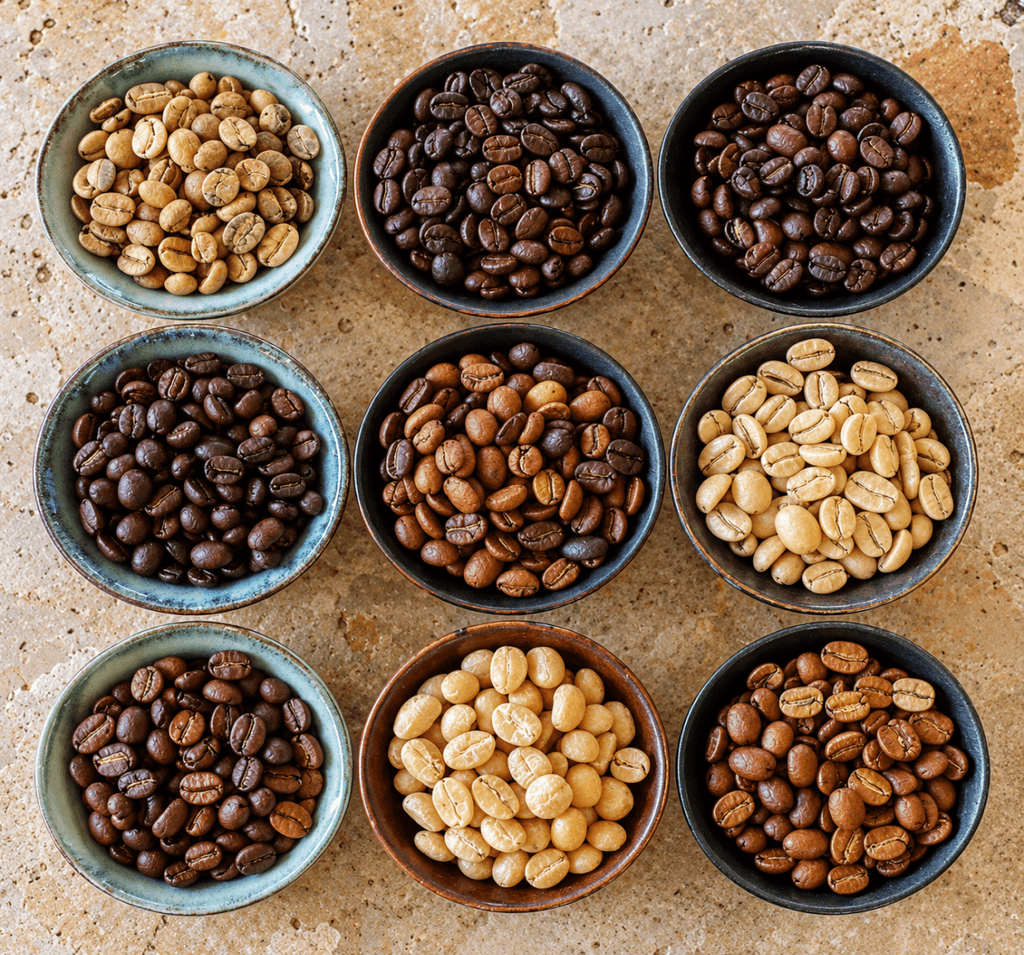
Now that you know how your favourite specialty coffee is processed, it’s time to get coffee roast levels explained. Coffee roast level influences the chemical composition of the beans hence playing with the balance between origin characteristics, acidity, sweetness and bitterness.
- Light roast: When the coffee is roasted just until the first crack it is called light roast coffee. This roast profile offers high and vibrant acidity with a light, tea-like body. It reflects the maximum expression of the bean’s specific terroir and often brings alive bright, fruit-forward, floral and citrus-heavy flavours. The beans are typically dry and there is no oil on the surface.
- Medium roast: When the coffee continues roasting after the first crack and the roasting process is halted just before the second crack it is called medium roast coffee. When it comes to light roast vs medium roast, medium roast offers a fuller body with a thick mouthfeel offering balanced acidity and often bringing alive caramel, nuts, milk chocolate and mild fruit flavours. The flavour offers an enchanting mix of the beans’ specific terroir and the initial roast-developed sweetness. The beans have a slight satin-like sheen on the surface as the oils just begin to appear on the surface as a result of roasting.
- Dark roast: When the roasting process is continued past the second crack until 226-249 degrees Celsius, it is called dark roast coffee. The beans’ specific terroir loses its significance and the bold, smoky, earthy yet deeply bittersweet notes are developed entirely as a result of the roasting process. When it comes to medium roast vs dark roast, dark roast offers very low acidity with a heavy body. The fresh roasted coffee beans have a shiny and oily surface as a result of all the oils that are secreted during the roasting process.
From Beans to Brew: Choosing Coffee for Your Brewing Method
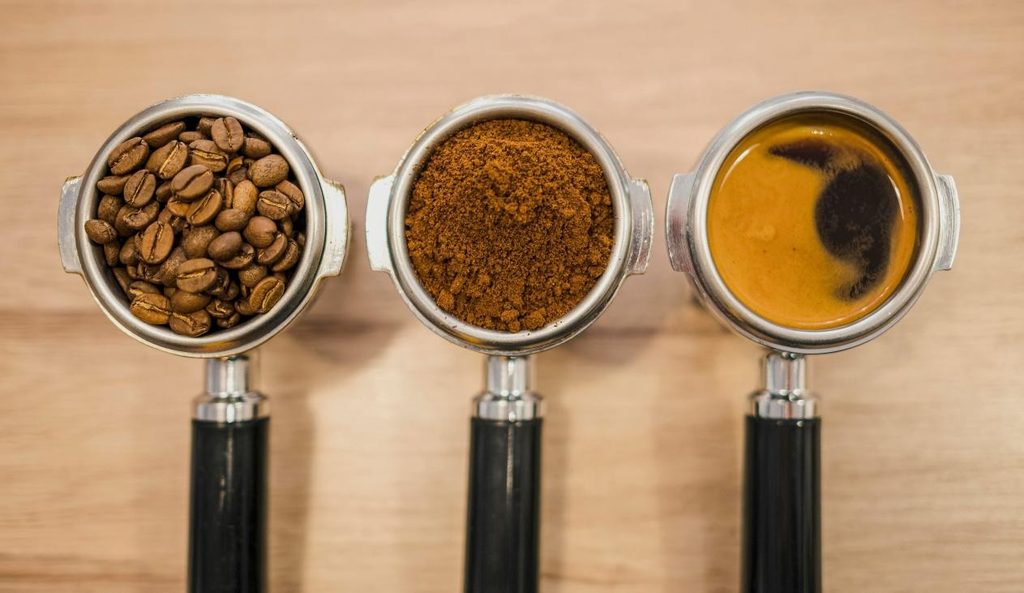
So now you know your beans like a pro and you are ready to source the best coffee beans for home brewing. But do you know how to brew these beans? Do you have a preferred brewing method? Well, this section is all about beans and brewing.
Best coffee beans for French press
If your preferred method of brewing is a classic French press, then a medium to medium-dark roast coffee gives you the perfect cup. Since French press involves the concept of immersion brewing and a long steeping time, medium to medium-dark roast beans can gradually release their natural oils during this time and lend your cup a rich, full body with balanced flavours of chocolate, caramel or nuts and low acidity.
Best coffee for pour-over
Light to medium roast beans work best with the pour-over method as it’s a slow, gravity-fed brew which preserves the delicate origin characteristics and subtle floral and fruity notes or caramel and chocolate undertones of light to medium roast coffee. With pour-over and light to medium roast, you get a bright and moderate acidity coffee that just seamlessly casts a spell on your palate.
Best coffee for cold brew
Medium to dark-roast profiles work best for cold brew formulations as you get a rich, heavy-bodied coffee with tempting chocolate, toffee and nutty notes.
Bringing Specialty Coffee Into Your Daily Routine
So Indian specialty coffee has an enchanting journey that finally leads it to your favorite coffee mug and attains its true meaning. If you are looking forward to truly drenching yourself in the experience of Specialty coffee for home brewing, Pause & Pour can be your choicest partner bringing to you best specialty coffee for beginners and specialty coffee blends. Now that you have coffee tasting notes explained and coffee roast levels explained, enjoy every sip of Pause & Pour like a true blue coffee aficionado.
FAQ’s
1. What is the best specialty coffee for beginners?
The best specialty coffee for beginners is one with a balanced flavour profile, pleasant aroma, and moderate acidity. Medium-roast coffee is a great starting point because it often offers notes of chocolate, caramel, and nuts. Pause & Pour offers specialty coffee blends that help beginners explore different flavours and discover their preferences.
2. How do I choose the right coffee beans for home brewing?
To choose the right coffee beans for home brewing, consider your preferred brewing method, roast level, and flavour profile. Medium to medium-dark roasts work well for French press, light to medium roasts are suitable for pour-over, and medium to dark roasts can create a rich cold brew. Choose freshly roasted beans from Pause & Pour to explore coffee options for your daily brewing routine.
3. Where can I buy specialty coffee online in India?
You can buy specialty coffee online from brands that provide detailed product descriptions, roast information, and tasting notes. Pause & Pour offers a selection of specialty coffee blends, drip bags, and cold brew options, making it convenient to explore different coffee experiences from home. Visit pauseandpour.coffee to browse the available collection.
4. What is the best specialty coffee blend for mornings?
A good specialty coffee blend for mornings should match your preferred strength and taste. Medium to medium-dark roasts are popular choices because they can offer a balanced body, pleasant aroma, and flavours such as chocolate, caramel, and fruit. Pause & Pour’s Rise ’n’ Shine coffee is an option to explore for a satisfying morning coffee ritual.